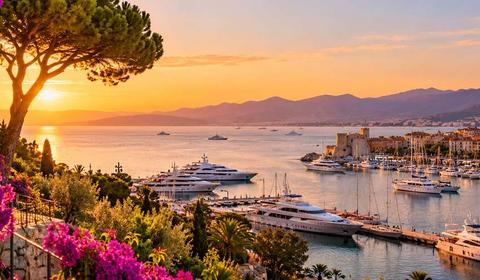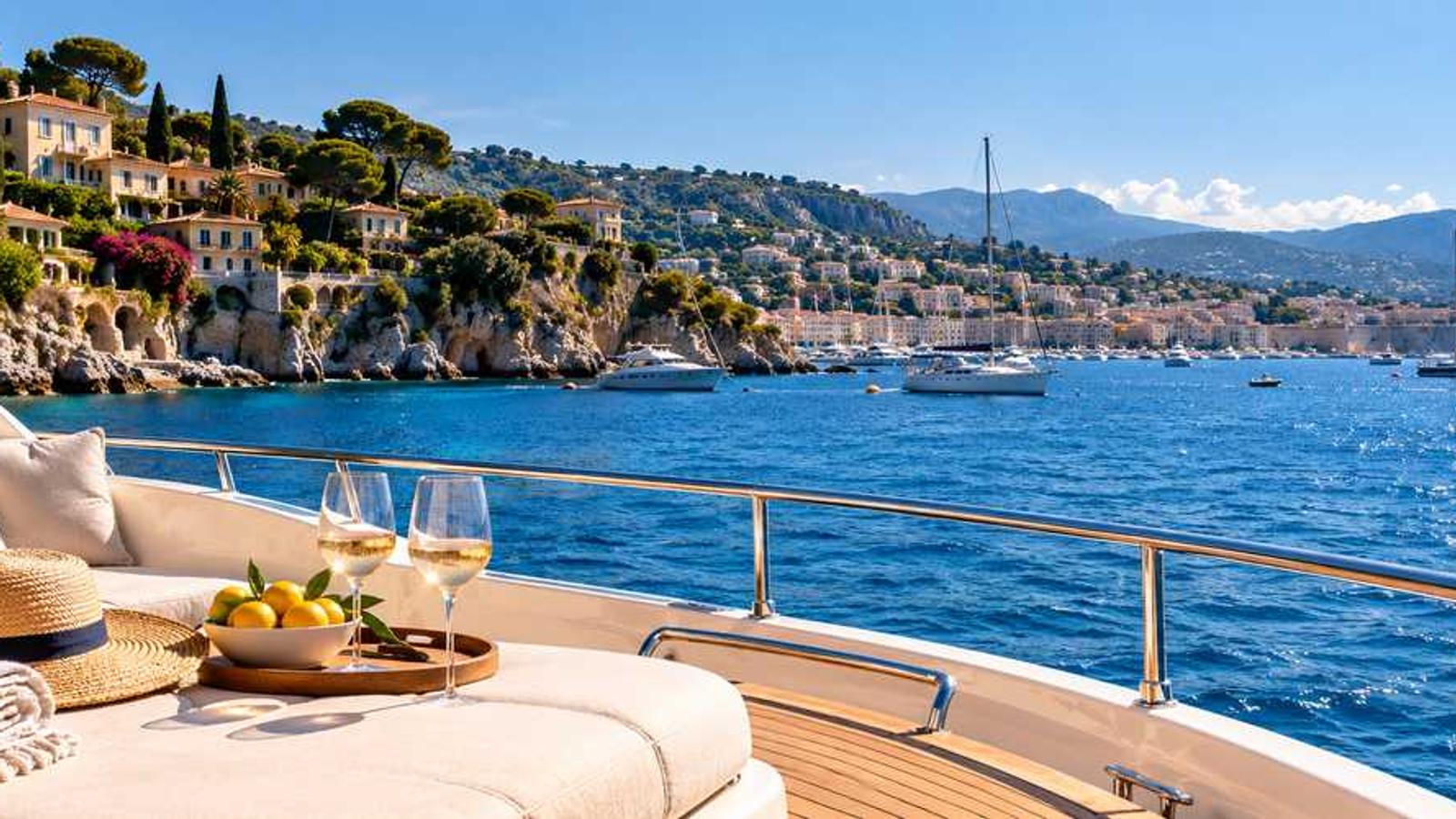
A day on a yacht is one of the most memorable things you can do on the French Riviera, and it is much simpler than many people expect. You do not need sailing experience, special clothing or a long checklist. But a little preparation makes a big difference: knowing where to meet, what to pack and how the day usually unfolds lets you relax from the moment you step on board. Here is everything first-timers want to know.
Before the day: check your booking
A few days before the trip, reread your booking confirmation. Make sure you know the exact meeting point (marinas in Cannes, Antibes or Nice are large, and the pontoon number matters), the departure time, the maximum number of passengers and what is included. Check whether fuel, the skipper, drinks and water toys are part of the price, and read the cancellation policy in case of bad weather.
If you rent without a skipper, remember that in France you need a boating licence for any motorboat with more than 6 hp. Bring the original licence and an ID, and expect the owner to take a security deposit, usually as a card pre-authorisation.
What happens when you arrive?
Most trips start at a marina or port. Arrive ten to fifteen minutes early: finding parking near the harbour can take time in summer, and the boat usually leaves on schedule. The skipper or owner will welcome you on the pontoon, help you board and stow your bags.
Before leaving, you will get a short safety briefing: where the life jackets are, how to use the swim ladder, where to sit while the boat is moving and how the toilet works if there is one. Many boats ask you to take your shoes off on deck, so it helps to wear sandals that are easy to slip off.
What should you bring?
You need much less than you think. Pack everything in a soft bag, which is easier to store than a suitcase:
•
swimsuit, worn under your clothes to save time;
•
a towel (some boats provide them, many do not);
•
sunglasses, ideally with a strap, and a hat that will not blow away;
•
high-protection sunscreen, applied before you board — the sun reflects off the water;
•
plenty of water;
•
light clothes and a thin jacket or sweater for the ride back;
•
your phone in a waterproof case;
•
any personal medication, including seasickness tablets if you use them.
Leave behind hard suitcases, high heels, expensive jewellery and anything you would hate to see fall into the sea. Storage space is limited, and everything on deck can get wet.
Can you bring food and drinks?
It depends on the boat. Some charters include drinks, snacks or a full lunch; others are happy for you to bring your own picnic. For a full day, fresh fruit, sandwiches, salads, cheese, charcuterie and cold drinks work well. A local bakery or market on the morning of your trip is the easiest option, and many marinas have a supermarket nearby.
Check the rules before you shop. Some owners prefer cans and plastic to glass bottles, and a few do not allow red wine or very messy food on board. Ask whether there is a fridge or a cool box, and bring one if needed.
Do you need snorkelling equipment?
Not necessarily. Many boats provide masks and snorkels, and some offer paddleboards or towable inflatables, sometimes for an extra fee. If you have your own mask that fits well, it is worth bringing; check first how much storage space there is. The clear water around the Lérins Islands, Cap-Ferrat and the red rocks of the Esterel is excellent for snorkelling.
What if you get seasick?
Some people feel motion sickness even in fairly calm conditions. A larger boat or a catamaran usually feels more stable. Sit in the middle or at the back of the boat rather than at the front, look at the horizon, and stay in the fresh air rather than in a cabin. A light meal before departure is more comfortable than a heavy breakfast or lunch. If you regularly suffer from motion sickness, talk to a doctor or pharmacist before the trip.
What does a typical day look like?
Every trip is different, but a full day often follows a rhythm like this:
•
Around 9:30–10:00 — departure, while the sea is usually at its calmest.
•
Late morning — a cruise along the coast and a first swimming stop.
•
Around midday — anchoring in a sheltered bay for lunch on board.
•
Early afternoon — another swim, snorkelling, or a move to another part of the coast.
•
Late afternoon — the return to port.
The exact itinerary depends on the weather, the sea and the skipper's local knowledge. Tell the skipper what matters most to you — swimming, sightseeing or simply relaxing — and they will usually shape the day around it.
Where will the day take you?
That depends mostly on your departure port. From Cannes, the classic day combines the Lérins Islands with either Cap d'Antibes to the east or the red cliffs of the Esterel to the west. From Nice or Villefranche, most boats head for the bays of Cap-Ferrat and Beaulieu, and on a full day continue to Cap d'Ail and Monaco. From Antibes, Cap d'Antibes and the islands are both within easy reach.
If you have a particular place in mind, mention it when you book rather than on the day: the skipper can then plan fuel, timing and a backup anchorage in case the wind does not cooperate. And if you have no preference at all, just ask for the skipper's favourite spot — it is often the best part of the trip.
What if the weather changes?
Weather matters at sea, even on a sunny day. On the Riviera the wind often picks up in the afternoon, and the skipper may change the route to find a sheltered bay or shorten the trip if waves make it uncomfortable. Safety always comes before the original plan. If conditions are clearly unsafe, the trip is usually postponed or refunded, but the exact policy varies, so check it before booking.
Half day or full day?
A half day of three to four hours is enough for a first experience: one area, one or two swims and plenty of photos. Choose a full day if you want several locations, a proper lunch at anchor and time to do nothing at all. With young children, a half day is often the better choice. Whatever the length, do not overload the itinerary; a yacht day is best when the pace is slow.
Etiquette on board
Listen to the skipper's instructions, especially when anchoring or leaving port. Keep an eye on children at all times and make sure they wear life jackets when the boat is moving. Never throw anything overboard, and do not put paper in a marine toilet unless the skipper says it is fine. Respect the environment: the Posidonia seagrass that keeps the water so clear is protected, which is why skippers anchor on sand. And if you had a great day, a tip for the skipper is always appreciated, though not compulsory.
The most important thing
Do not treat your yacht day like a sightseeing checklist. Leave time for swimming, lunch, photographs and simply watching the coastline go by. That unhurried time on the water is usually what people remember most.