Why October and November Are Perfect for Discovering Provence’s Wine Country
The French Riviera is often associated with summer holidays, glamorous beach clubs and lively seaside restaurants. However, the region has another side that is particularly appealing in autumn: peaceful vineyards, charming Provençal villages and wine estates where visitors can take their time discovering local wines. October and November are excellent months for a wine-tasting experience, especially for travellers who prefer a more relaxed atmosphere and want to explore the region beyond its famous beaches.
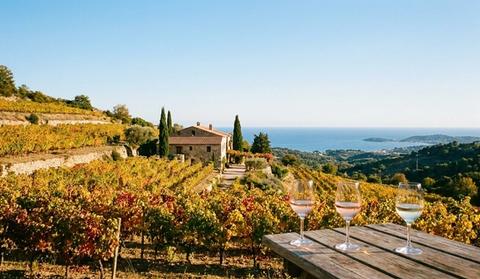
Autumn brings a different rhythm to the French Riviera. The busiest summer weeks are over, roads and popular destinations are generally less crowded, and the landscape begins to change colour. The vineyards and countryside around Provence offer a wonderful setting for a day devoted to wine, local traditions and regional cuisine.
Choosing autumn for a wine tour is not simply a way to avoid the summer crowds. It is also an opportunity to experience the region from a different perspective, meet passionate wine professionals and discover the character of Provençal wines in a more intimate setting.
Why Is Autumn an Ideal Season for Wine Tasting?
A More Relaxed Atmosphere
During the summer, the French Riviera attracts visitors from around the world. Popular destinations such as Cannes, Nice, Antibes and Saint-Tropez become especially lively, and many travellers organise their days around beaches, restaurants and outdoor activities.
By October, the atmosphere often becomes calmer. This makes it easier to enjoy a day in the countryside without feeling that every stop has to fit into a busy holiday schedule. A visit to a winery can become the main event of the day rather than a quick activity squeezed between other plans.
Wine tasting is an experience that benefits from having time. Visitors may want to ask questions about grape varieties, learn how the climate influences the wine, explore the estate or simply enjoy the surroundings. A quieter season can make these moments feel more personal.
November can be particularly attractive for travellers who value tranquillity. Although the weather is less predictable than in early autumn, the countryside can feel peaceful and atmospheric. It is a good time to slow down, enjoy regional flavours and discover a side of Provence that is less visible during the summer.
Mild Weather for Exploring the Countryside
October often offers comfortable conditions for spending time outdoors in the south of France. Warm afternoons are still possible, although temperatures vary from year to year. The weather may be cooler in the mornings and evenings, so it is worth bringing a light jacket and checking the forecast before setting off.
These conditions are well suited to a day trip that combines a winery visit with a drive through the countryside. Instead of spending the entire day in the heat of summer, visitors can enjoy vineyard views, village streets and scenic roads at a more comfortable pace.
November brings a greater chance of rain and cooler days. This does not necessarily make a wine tour less enjoyable, but it does make planning more important. Confirm the itinerary in advance and check whether the tasting takes place indoors, outdoors or in a combination of spaces.
The key is to choose a tour that suits the season and your interests. A well-planned autumn excursion can be rewarding even when the weather is not perfect.
Discovering the Autumn Character of Provençal Wines
Provence is internationally known for rosé, but the region’s wine culture is much more varied. Depending on the appellation and producer, visitors may discover red and white wines as well as different styles of rosé. A winery visit offers an opportunity to learn how grape varieties, soil, climate and winemaking decisions influence the final result.
Autumn is an especially interesting time to explore this subject. The grape harvest generally takes place in late summer or early autumn, depending on the vineyard, grape variety and weather conditions. By October and November, many estates have moved beyond the busiest harvest period, although the exact timing of cellar work varies.
Visitors should not assume that every winery will be carrying out the same activities or offering access to every part of its production facilities. Nevertheless, a guided tasting can provide valuable insight into the choices that shape a wine, from vineyard management to fermentation and ageing.
A knowledgeable guide or winemaker can also explain why wines from different parts of Provence may taste so different. Some are fresh and delicate, while others have more structure, complexity or depth. Tasting several wines side by side can make these distinctions easier to understand.
Exploring Wine Estates Beyond the Famous Resorts
The French Riviera is not only about its coastal towns. Inland Provence offers a different landscape of vineyards, hills, traditional villages and country roads. A wine tour can introduce visitors to places they might not otherwise discover during a short stay on the coast.
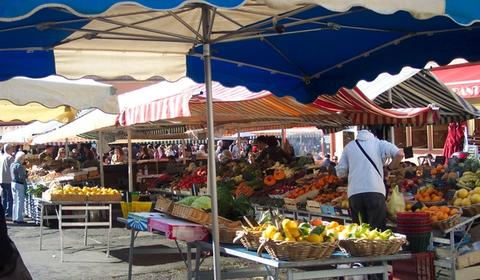
Travelling inland also provides a chance to understand the connection between wine and the wider Provençal lifestyle. Local food traditions, the Mediterranean climate, agricultural landscapes and village markets all contribute to the region’s identity.
For travellers staying in Cannes, Nice or Antibes, a wine excursion can be a welcome change from the seaside. It offers a day with a different pace and a different focus, while remaining within reach of the Riviera’s main destinations.
Rather than trying to visit several places independently, visitors may prefer an organised experience that brings together transport, winery visits and tasting arrangements. The most suitable option depends on the starting point, available time and the kind of experience the traveller wants.
Which Wine Tour Should You Choose in Autumn?
There is no single wine tour that suits everyone. Some visitors want a simple introduction to Provençal wine, while others are interested in spending more time at an estate or discovering the countryside with a private guide.
Before booking, consider how much time you want to devote to the experience, whether you prefer a small-group or private outing, and whether you would like to combine wine tasting with sightseeing or local food.
Start by Comparing Available Wine Experiences
If you are still deciding what kind of excursion would suit your plans, begin by exploring the available wine tours on the French Riviera. Comparing the options can help you understand the different itineraries, locations and styles of experience.
Look carefully at what each tour includes. Some experiences focus primarily on tasting, while others may place more emphasis on visiting a winery, discovering the surrounding area or enjoying a broader introduction to Provençal culture. The duration, transport arrangements and meeting point can also make a significant difference when planning your day.
In autumn, it is particularly useful to check the schedule and confirm that the experience operates on your preferred date. Availability may differ from the summer season, and some estates may have different visiting arrangements depending on the time of year.
Choose a Tour That Gives You Time to Discover the Winery
For travellers who want to make a winery visit a central part of their day, consider this wine-tour experience. It is worth reviewing the itinerary to see how well it matches your interests, preferred pace and plans for exploring the region.
A winery visit can be much more interesting when it goes beyond simply tasting a glass of wine. Depending on the programme, visitors may have the opportunity to learn about the estate, its approach to winemaking and the characteristics of its wines. These details can help turn a tasting into a more complete introduction to the region.
When comparing experiences, pay attention to the balance between travel time and time spent at the destination. A longer drive may be worthwhile if the itinerary includes places you particularly want to see, but travellers with limited time may prefer a more compact excursion.
It is also worth checking whether the tour includes transport. If wine tasting is part of the day, arranging transport in advance makes the experience more comfortable and removes the need to plan who will drive afterwards.
Consider a Different Winery Experience
Another option to explore is this winery tour. Review the programme and practical details before booking to determine whether it offers the type of visit you have in mind.
For some travellers, the most memorable part of a wine tour is the opportunity to understand the story behind a bottle. Learning about the local landscape, the producer’s approach and the region’s wine traditions can make the tasting more meaningful, even for people who are not wine experts.
You do not need extensive knowledge of wine to enjoy the experience. It is perfectly reasonable to ask basic questions, explain which styles you usually like and discover something new. A good tasting is not an examination; it is an opportunity to explore aromas, flavours and preferences in a relaxed environment.
Before confirming your booking, check the exact inclusions, duration, departure arrangements and cancellation conditions. Tour descriptions can differ, so use the details provided for the individual experience rather than assuming that all wine excursions offer the same services.
October or November: Which Month Should You Choose?
Both months can be excellent for a wine-tasting trip, but the best choice depends on your priorities.
The Advantages of October
October is often a good compromise between pleasant autumn weather and a quieter travel season. The days can still be mild, making it easier to combine a winery visit with a walk through a village or a scenic drive.
For travellers who want to spend time outdoors, October may offer more opportunities to enjoy the landscape without the heat and crowds of summer. It can also be an appealing month for a longer day trip, especially if you are staying on the coast and want to explore inland Provence.
However, weather conditions and harvest schedules vary. If you are particularly interested in harvest-related activities, contact the winery or tour provider before booking rather than assuming that harvesting will be taking place during your visit.
The Advantages of November
November is a good choice for visitors who prefer a quieter atmosphere and are less concerned about spending long periods outdoors. It can be an appealing time for a slower itinerary focused on wine, food and conversation.
The countryside may feel more subdued, and the shorter days make it sensible to check departure and return times carefully. Rain and cooler temperatures are more likely than in early autumn, so indoor tasting arrangements can be especially important.
November can also work well for a special occasion, a couple’s getaway or a relaxed day away from the busiest coastal destinations. The experience is less about summer glamour and more about enjoying the region’s wine culture at a comfortable pace.
Ultimately, neither month guarantees a particular weather pattern or a specific winery activity. The best approach is to choose the date that fits your schedule, check the forecast and confirm the details of the tour in advance.
What Should You Know Before Booking an Autumn Wine Tour?
A little preparation can make the day much more enjoyable. Although autumn wine excursions can be relatively easy to organise, a few practical details deserve attention.
Book in Advance and Confirm the Schedule
Even outside the peak summer season, it is sensible to check availability before making other plans around a winery visit. Some estates welcome visitors only at specific times or require advance reservations for tastings.
Read the itinerary carefully and confirm the departure point, duration, transport arrangements and what is included in the price. If you have a particular interest, such as learning about rosé production or exploring a specific part of Provence, ask whether the programme is suitable.
If you are travelling in November, confirm that the tour is operating on your chosen date. Seasonal schedules can differ, and not every experience is available every day.
Dress for Changeable Weather
Autumn on the French Riviera can be mild, but conditions can change. Wear comfortable shoes if the itinerary includes walking around a vineyard or exploring a village. Bring a light jacket and consider an umbrella if rain is forecast.
If the tour includes outdoor stops, check whether the schedule can be adapted in poor weather. A little flexibility can help you enjoy the day without worrying about every change in the forecast.
Allow Time for Food and Sightseeing
Wine tasting is often more enjoyable when it forms part of a balanced day rather than the only activity. Depending on the tour, you may want to leave time for lunch, a short walk or a visit to a nearby village.
Provençal cuisine is an important part of the region’s identity, and local dishes can complement the experience of discovering its wines. However, meal arrangements vary between tours, so check whether food is included or whether you should plan a separate stop.
Avoid scheduling too many activities immediately before or after the tasting. Allowing extra time makes the day feel more relaxed and leaves room for unexpected discoveries.
Plan Safe Transport
If you intend to taste wine, make transport arrangements before the day begins. Do not drive after drinking alcohol. Depending on your itinerary, an organised tour, a professional driver or another suitable transport option may be the most practical solution.
This is especially important when travelling through rural areas, where public transport may be less convenient than in the main coastal towns. Confirm the return arrangements as well as the departure details so that you can enjoy the experience without unnecessary stress.
Keep Your Expectations Flexible
Every winery has its own approach to welcoming visitors. Some experiences may focus on guided tastings, while others provide more context about the estate or its surroundings. Access to production areas and opportunities to meet the winemaking team can vary.
The weather, the season and the producer’s schedule may also influence what is possible on a particular day. Check the information supplied by the tour provider and ask questions before booking if something is important to you.
Most importantly, you do not have to be a wine specialist to appreciate the experience. Curiosity, a willingness to try different styles and an interest in local culture are more than enough.
A Different Way to Experience the French Riviera
October and November offer a rewarding opportunity to discover the wine culture of the French Riviera and Provence beyond the familiar summer image of the coast. With fewer peak-season crowds, a calmer pace and the possibility of combining tasting with countryside exploration, autumn can be an excellent time to plan a wine-focused day trip.
October may appeal to travellers who want to make the most of milder weather and outdoor scenery, while November can suit those who prefer a quieter and more intimate atmosphere. In either month, the quality of the experience depends on choosing the right itinerary, checking seasonal arrangements and allowing enough time to enjoy the day.
Explore the available wine tours, compare their programmes and choose an experience that fits your interests. Whether you are discovering Provençal wines for the first time or returning to the region to learn more, an autumn wine tour can offer a memorable perspective on the French Riviera—one shaped by vineyards, local traditions and the pleasure of taking time to savour the region.
Frequently Asked Questions About Autumn Wine Tasting
Are wineries open in October and November?
Opening hours and visitor arrangements vary by winery and date. Before booking, confirm directly with the winery or tour operator that the visit and tasting are available on your chosen day.
Is October or November better for wine tasting in Provence?
October may suit visitors who want to spend more time outdoors, while November can be a good fit for a quieter itinerary focused on tastings. Weather and availability change each year, so check the details before travelling.
Should you book a wine tasting in advance?
Booking ahead is recommended because some wineries welcome visitors only by appointment or at set times. Check the duration, meeting point, tour language and what is included before confirming.